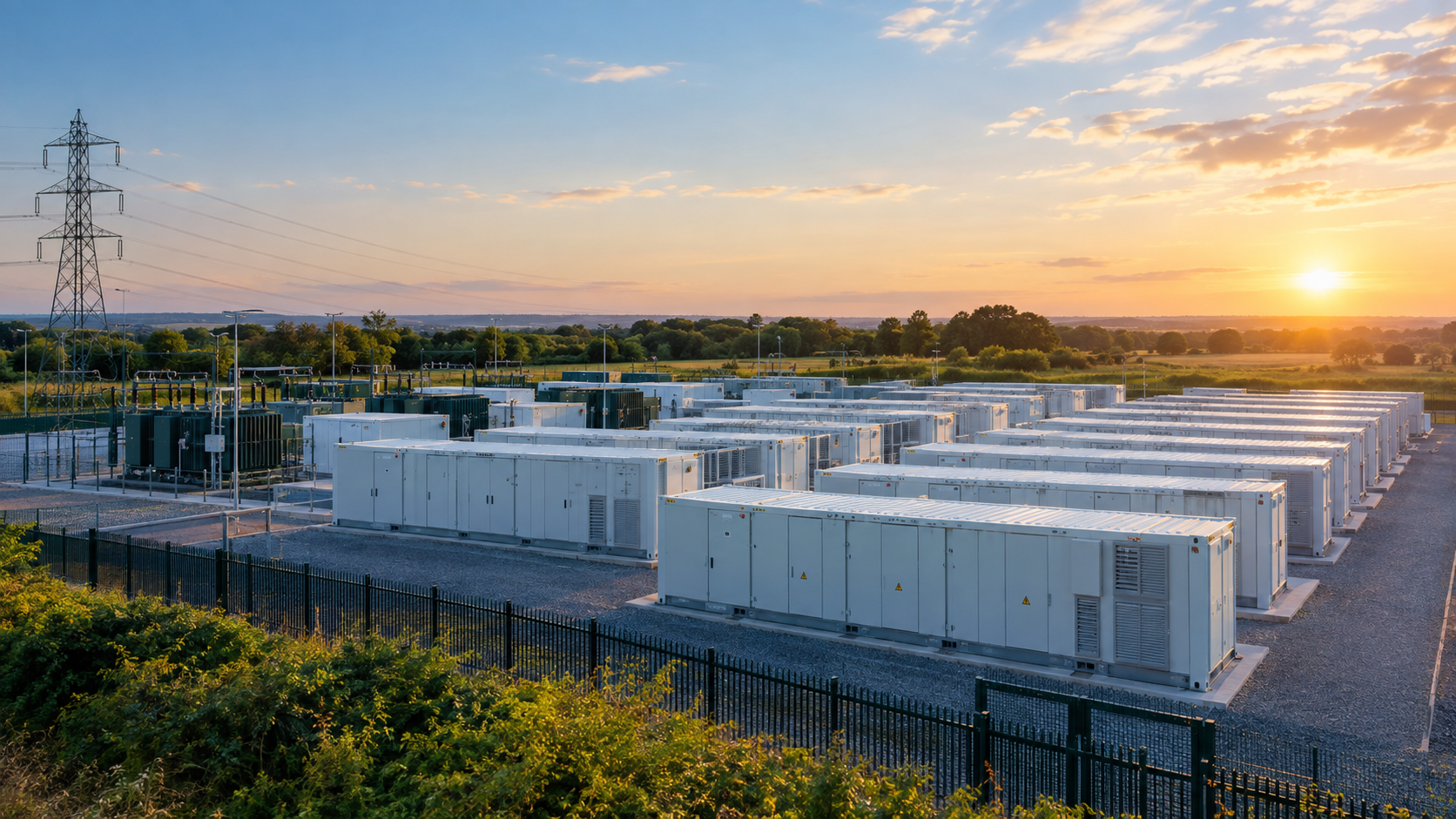
Statera Energy has been granted planning permission to develop a 500MW battery energy storage system (BESS) in Culham, Oxfordshire.
Located close to both the National Grid’s Culham substation and the UK Atomic Energy Authority’s (UKAEA) Culham Campus, the site has been strategically selected to aid the UK’s transition to a low-carbon electricity system.
Known as Culham Storage, the facility will be capable of supplying clean and flexible electricity to meet the peak demands of up to 540,000 homes. In addition to bolstering grid capacity, the project will play a crucial role in providing the energy stability needed to support Culham Campus — the UK’s first AI Growth Zone — in its ambition to become a global leader in fusion research and innovation.
“This 500MW BESS at Culham will play an important role in helping the UK achieve its Clean Power 2030 targets,” said Statera Energy’s development lead, Oliver Troup.
“Its strategic placement and significant capacity will enable us to more effectively manage the intermittent nature of renewable energy, boosting local grid stability and national energy security.
“We will continue to work closely with our partners at UKAEA and NGET to deliver this essential project responsibly and effectively.”
Battery storage is considered a cornerstone of the UK’s clean energy strategy. The National Energy System Operator (NESO) estimates that up to 27GW of battery storage will be required by 2030 to ensure secure and cost-effective electricity in a system driven by renewables.
Statera currently has more than 2.1GW of battery storage projects either operational or under construction across the UK, with an additional 16GW in development or already consented.
The Culham Storage scheme will also place a strong focus on enhancing the local environment and engaging with the community. Plans include dedicating 16 hectares to landscaping efforts, such as the creation of new woodland and grassland habitats. These measures are set to help restore a registered park and garden, delivering an anticipated biodiversity net gain of 62%.