Welcome to Infra-Be! We are a top-tier global infrastructure and renewable energy search & recruitment firm. Whether you’re seeking the best talent, salary benchmarking, or market insights, we’re here to help. Reach out to us at info@infra-be.com or click here to get in touch.
Global electricity demand climbed by 2.6 percent in the first half of 2025, yet this entire increase was covered by renewable sources. According to climate think tank Ember, wind and solar together added more than 400 terawatt-hours (TWh) of new generation, driving a small but significant decline in coal and gas use.
Solar energy was the standout performer, contributing 306 TWh—an increase of 31 percent year-on-year—and accounting for more than four-fifths of total demand growth. Wind power also expanded steadily, up by 97 TWh or 7.7 percent. Together, these gains lifted renewables’ share of global electricity to 34.3 percent, edging past coal’s 33.1 percent for the first time in recorded history.
“Solar and wind are now growing fast enough to meet the world’s growing appetite for electricity,” said Małgorzata Wiatros-Motyka, senior electricity analyst at Ember and author of the report. “This marks the beginning of a shift where clean power is keeping pace with demand growth.”
The world’s solar sector experienced a record surge in the first half of the year, expanding its share of the global electricity mix from 6.9 percent to 8.8 percent. Much of this momentum came from Asia, with China alone accounting for 55 percent of all new solar generation, followed by the United States (14 percent), the European Union (12 percent), India (5.6 percent), and Brazil (3.2 percent).
Four nations now source more than a quarter of their electricity from solar, while 29 countries generate at least 10 percent from the technology—up from 22 a year earlier. In total, renewables generated 5,072 TWh between January and June, up 7.7 percent from the same period in 2024.
China and India were key drivers of this transition. Both nations saw clean energy growth outpace demand, leading to a rare decline in fossil fuel generation. China’s coal and gas output fell by 2 percent, while India recorded a 3.1 percent drop in coal use and a striking 34 percent reduction in gas generation.
Despite the overall progress, the picture was mixed across regions. In the United States, rising electricity demand outstripped renewable growth, prompting a 17 percent increase in coal-fired generation during the first half of 2025. The European Union also faced setbacks, as weaker wind and hydro output—partly due to weather patterns—forced higher use of fossil fuels. Gas generation in the bloc rose by 14 percent, while coal edged up by 1.1 percent.
Globally, however, the clean energy outlook remains robust. Fatih Birol, Executive Director of the International Energy Agency (IEA), noted that solar power will remain at the forefront of renewable expansion. “The growth in global renewable capacity in the coming years will be dominated by solar PV – but with wind, hydropower, bioenergy, and geothermal all contributing, too,” he said.
The IEA forecasts that renewable capacity could more than double by 2030, with solar expected to account for around 80 percent of that growth.
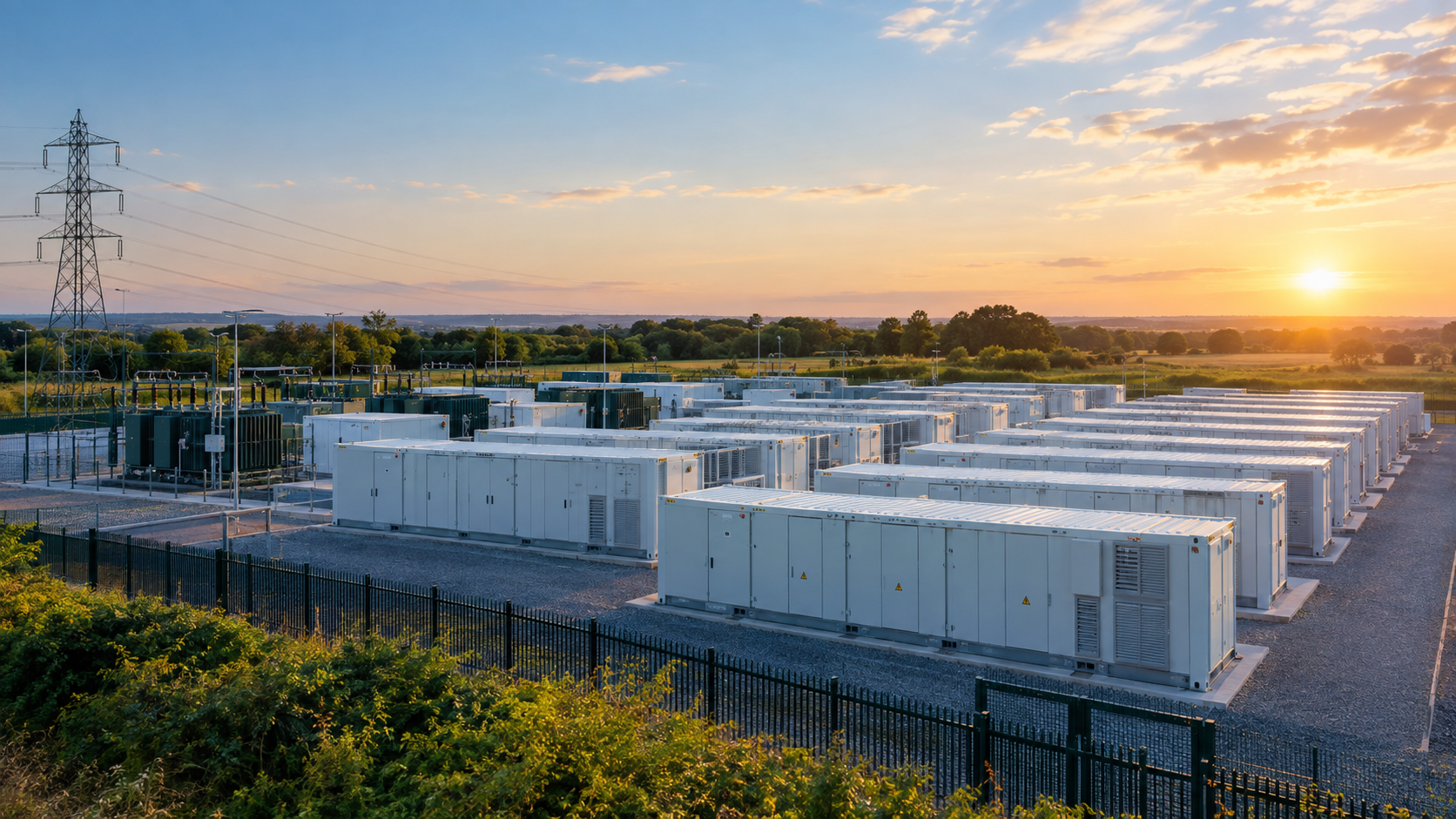
While analysts describe this moment as historic, they also caution that maintaining renewables’ lead will require ongoing investment in infrastructure, storage, and grid resilience. Battery systems and upgraded transmission networks are viewed as essential to integrating intermittent renewables into stable power systems.
Sonia Dunlop, CEO of the Global Solar Council, said the findings capture a pivotal moment for the industry. “This analysis confirms what we are witnessing on the ground: solar and wind are no longer marginal technologies. They are driving the global power system forward. The fact that renewables have overtaken coal for the first time marks a historic shift. But to lock in this progress, governments and industry must accelerate investment in solar, wind, and battery storage, ensuring that clean, affordable, and reliable electricity reaches communities everywhere.”
Ember’s data also points to a modest fall in global power sector emissions—down by 12 million tonnes of CO₂—driven largely by reduced coal use in China and India.
For many observers, 2025 marks the year when renewable power decisively moved from the edges of the energy system into its mainstream, reshaping the future of electricity generation worldwide.
Ember is a UK-based independent energy and climate think tank that analyses global electricity data to accelerate the transition from coal to clean power. Its reports are widely used by policymakers, researchers, and industry leaders to track progress towards decarbonising the global power sector.
Visit: https://ember-climate.org
We are a leading global infrastructure and renewables search & recruitment business. Don’t forget to follow us on LinkedIn to keep up to date on our opportunities and current news. Please get in contact to discuss your hiring needs, salary bench-marking or market information: info@infra-be.com.
Join us on our podcast and subscribe to our newsletter to embark on an enlightening journey through the exciting landscapes of infrastructure and renewable energy. Stay connected, stay informed, and be part of the InfraBe community.
Tune in to our engaging podcast series where we dive deep into the dynamic realm of infrastructure and renewable energy. Join us as we discuss industry trends, innovative technologies, sustainable practices, and insightful interviews with experts and thought leaders. Stay informed and inspired on the go, gaining valuable insights to shape your perspective on the ever-evolving landscape of global infrastructure and renewables.